The authentic Being is not enslaved by its own ego, passions, or dreams that become desires, yet neither does it seek to suppress them entirely. Authenticity, not to be confused with instinct, moves the being not against its will, but beyond it.
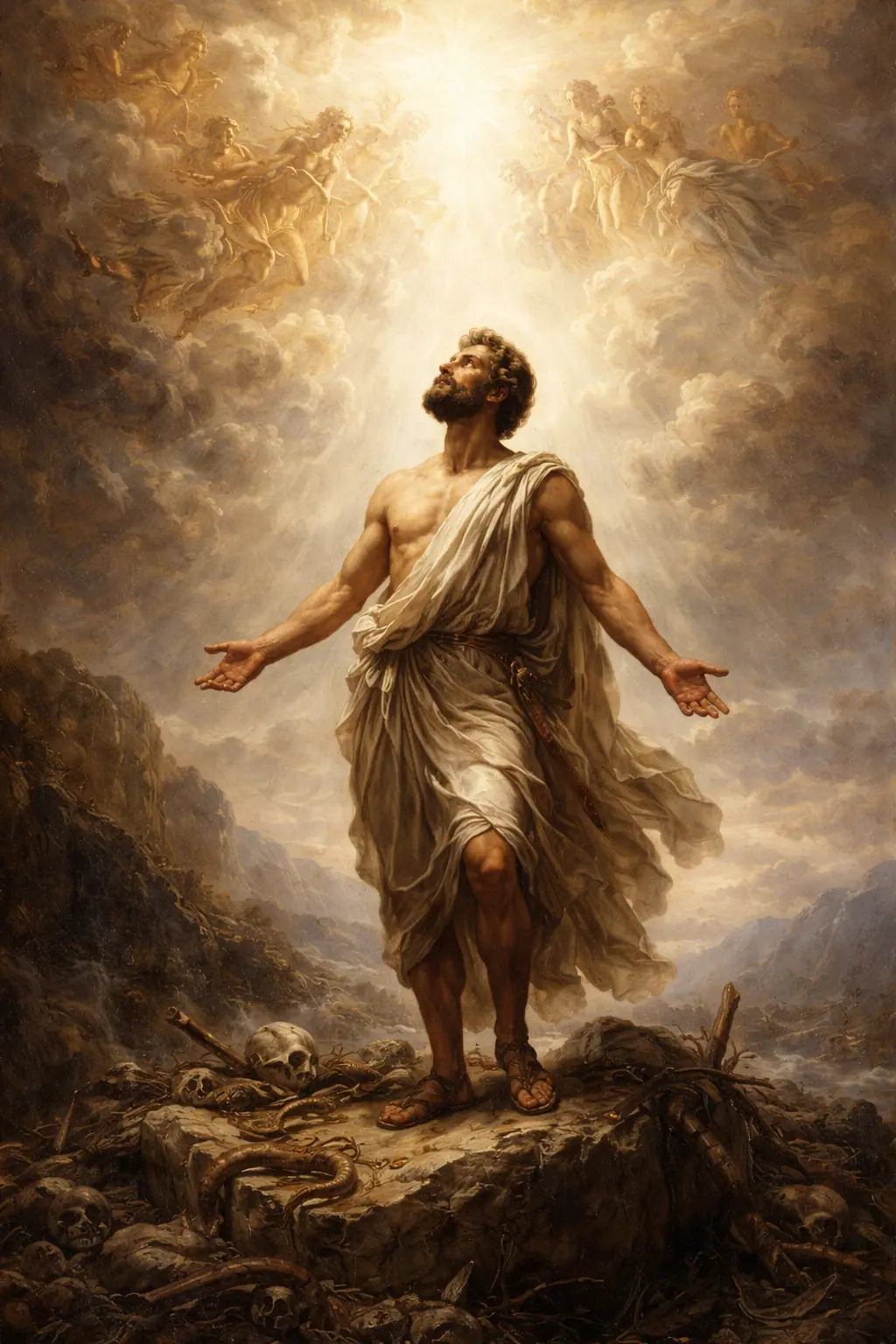
It is important to look back to the past and recognize the great pearls whose deeds have upheld the value of all humanity. Some men, even in modern times, have combined strength and endurance with the ability to exalt the spirit, allowing their choices and actions to speak for them.
In the current utilitarian context, where everything has become a commodity, it is believed that doing “Good”, or simply “Good”, requires some kind of return.
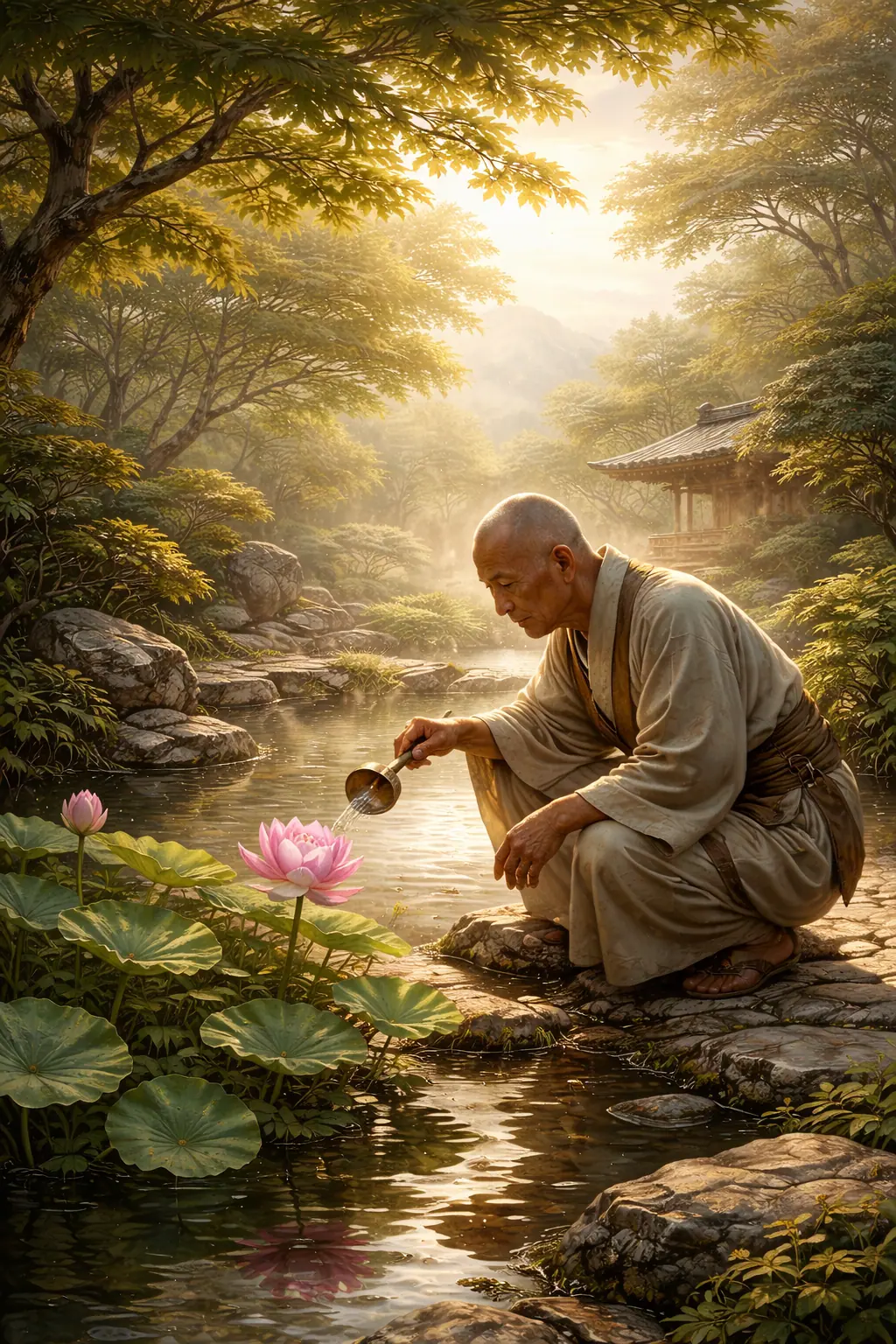
When the mind is free from unnecessary thoughts, it neither resists nor manipulates reality and, not identifying with a separate “self,” action becomes spontaneous, expressing beauty and truth beyond the very purpose of the action itself.
The magnificence of Zen philosophy lies precisely in the emphasis it places on interiority. According to it, as with Taoism, every being should know and therefore follow their own nature.
Nirasha is a Vedic term that literally means “without hope.” The attitude toward hope is one of the many subtle lines that distinguish a conscious being from, on the one hand, the common understanding, and on the other from the blockheads who inform themselves (study Vedic texts) without ever managing to understand a thing.
Energy and time are wasted in the search for meanings and motivations. This search does not concern events that truly happened, but mental fantasies or, at best, a personal interpretation.
Every now and then, I listen from the sidelines to “spiritual” conversations that seem like a New Age version of Baci Perugina (the Italian chocolate equivalent of fortune cookies). Totally lost in a world of information with no idea what real self-work means.