
“Forms of yoga: what they are and how to choose the one that suits you best” by S. P.
Forms of yoga: what they are and how to choose the one that suits you best
There are many different forms of yoga, each with its own aims and benefits. Some forms of yoga are better suited to beginners, while others are more suitable for experienced practitioners.
In this article, we will tell you about the different forms of yoga and help you choose the one that suits you best.
Yoga is an ancient practice that combines physical postures, breathing and meditation. It offers many benefits for physical, mental and spiritual health.
The main forms of yoga
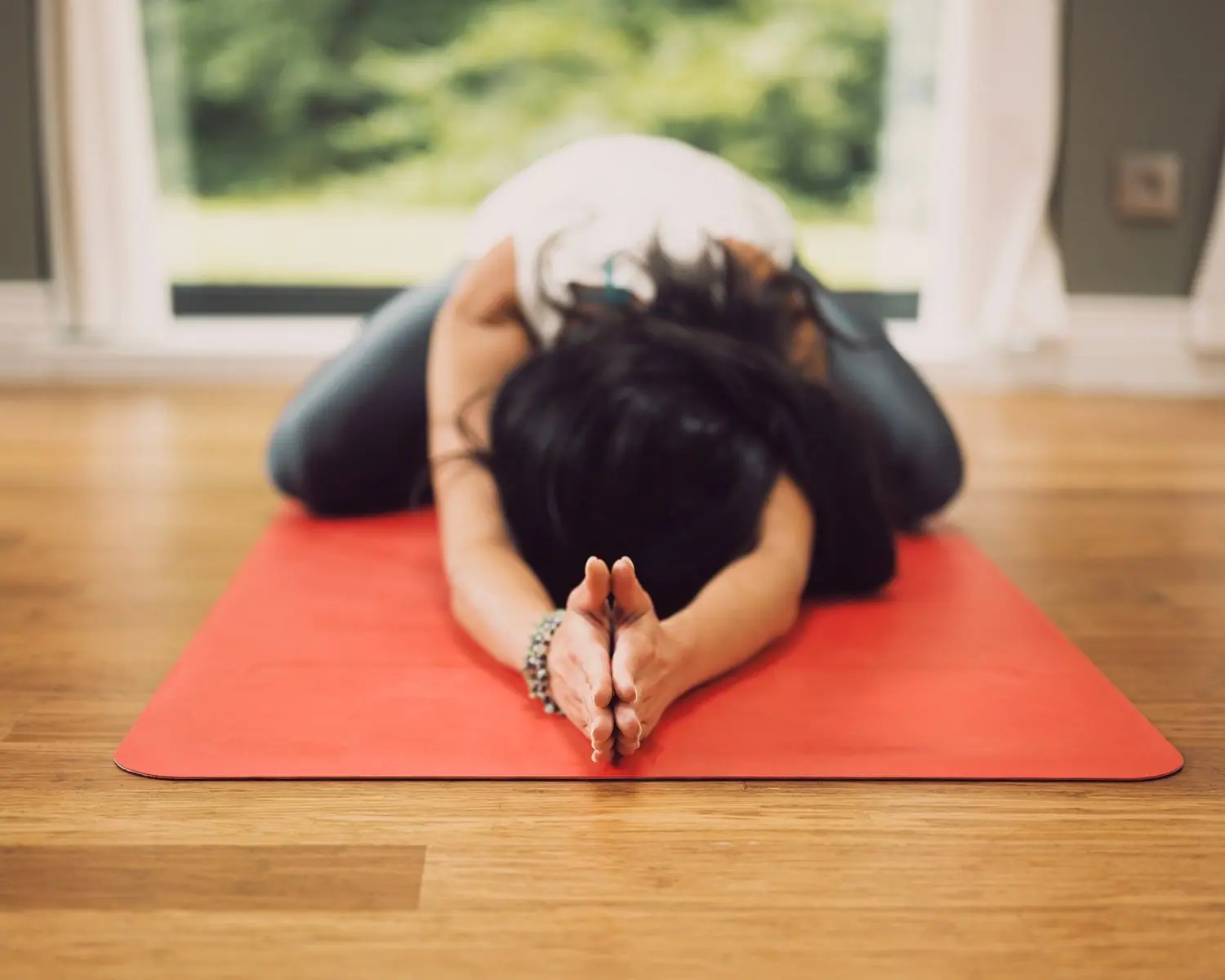
Here are the main forms of yoga:
Hatha yoga: this is the most widespread form of yoga. It is a good starting point for beginners, as it combines physical postures, breathing and meditation.
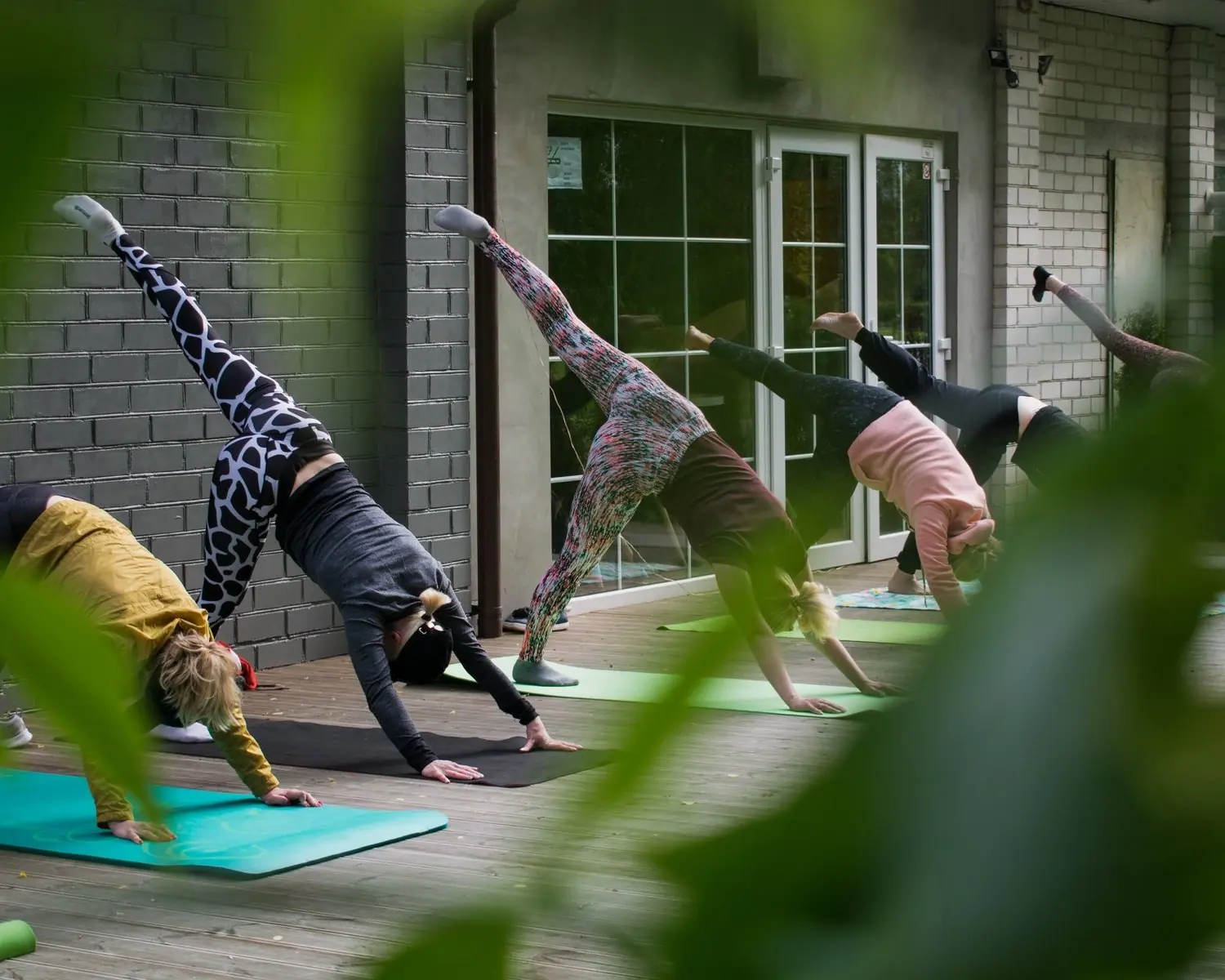
Vinyasa yoga: a dynamic form of yoga that links the physical postures to the breath. It is a challenging form of yoga, but it can be very rewarding.
Ashtanga yoga: a dynamic form of yoga that follows a specific sequence of postures. It is a very demanding form of yoga, but it can offer great benefits.
Iyengar yoga: a form of yoga that focuses on the precision of the postures. It is suitable for both beginners and experienced practitioners.
Bikram yoga: a form of yoga practised in a room heated to 40 degrees. It is a challenging form of yoga, but it can be very effective for losing weight and improving flexibility.
How to choose the form of yoga that suits you best
Here are some factors to consider when choosing the form of yoga that suits you best:
Your fitness level: if you are a beginner, it is best to start with a simple form of yoga, such as hatha yoga. As you gain experience, you can move on to more challenging forms of yoga.
Your goals: if you want to improve your fitness, a dynamic form of yoga such as vinyasa yoga or ashtanga yoga can be a good choice. If you want to improve your flexibility, a static form of yoga such as hatha yoga or Iyengar yoga can be a good choice.
Your lifestyle: if you are short on time, a short form of yoga such as vinyasa yoga or ashtanga yoga can be a good choice. If you prefer to practise yoga at home, you can find plenty of resources online and on DVD.
Conclusion
There are many different forms of yoga, each with its own aims and benefits. By choosing the form of yoga that suits you best, you can get the most out of this ancient practice.
Tips for starting your yoga practice
If you are thinking of starting to practise yoga, here are a few tips:
Start gradually: don't try to do too much too soon. Begin with a short class and gradually increase the length and intensity of your practice.
Listen to your body: stop if you feel pain. Never force a posture.
Find a qualified teacher: a good teacher can help you practise yoga safely and effectively.
Happy practising!
s.p.