
“The history and philosophy of yoga: an ancient practice for wellbeing” by C. S.
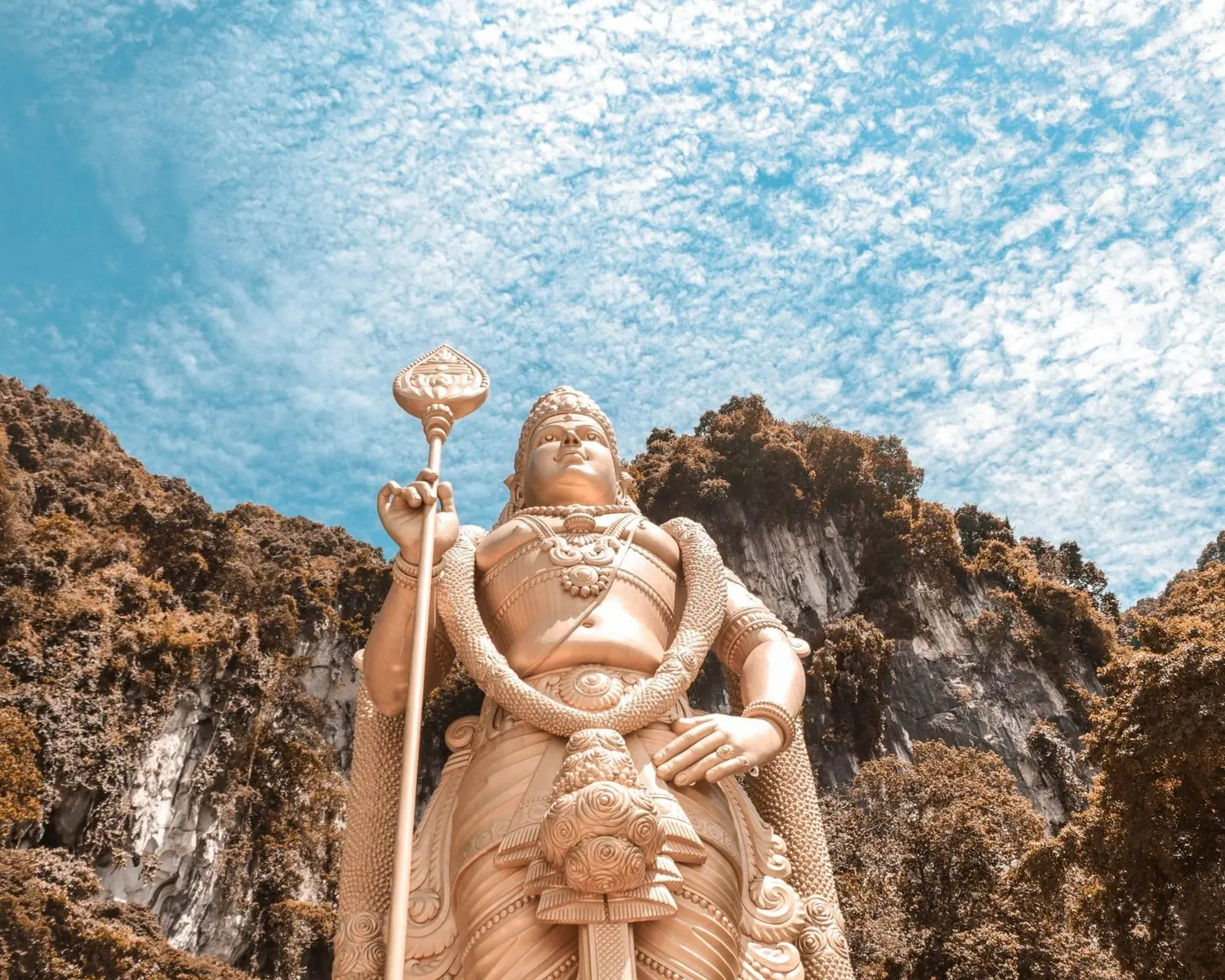
The history and philosophy of yoga: an ancient practice for wellbeing
The history and philosophy of yoga: let's discover together some useful notions to help us approach this world. Yoga is an ancient practice that combines physical postures, breathing and meditation. It is a practice that can be enjoyed by people of all ages and levels of fitness.
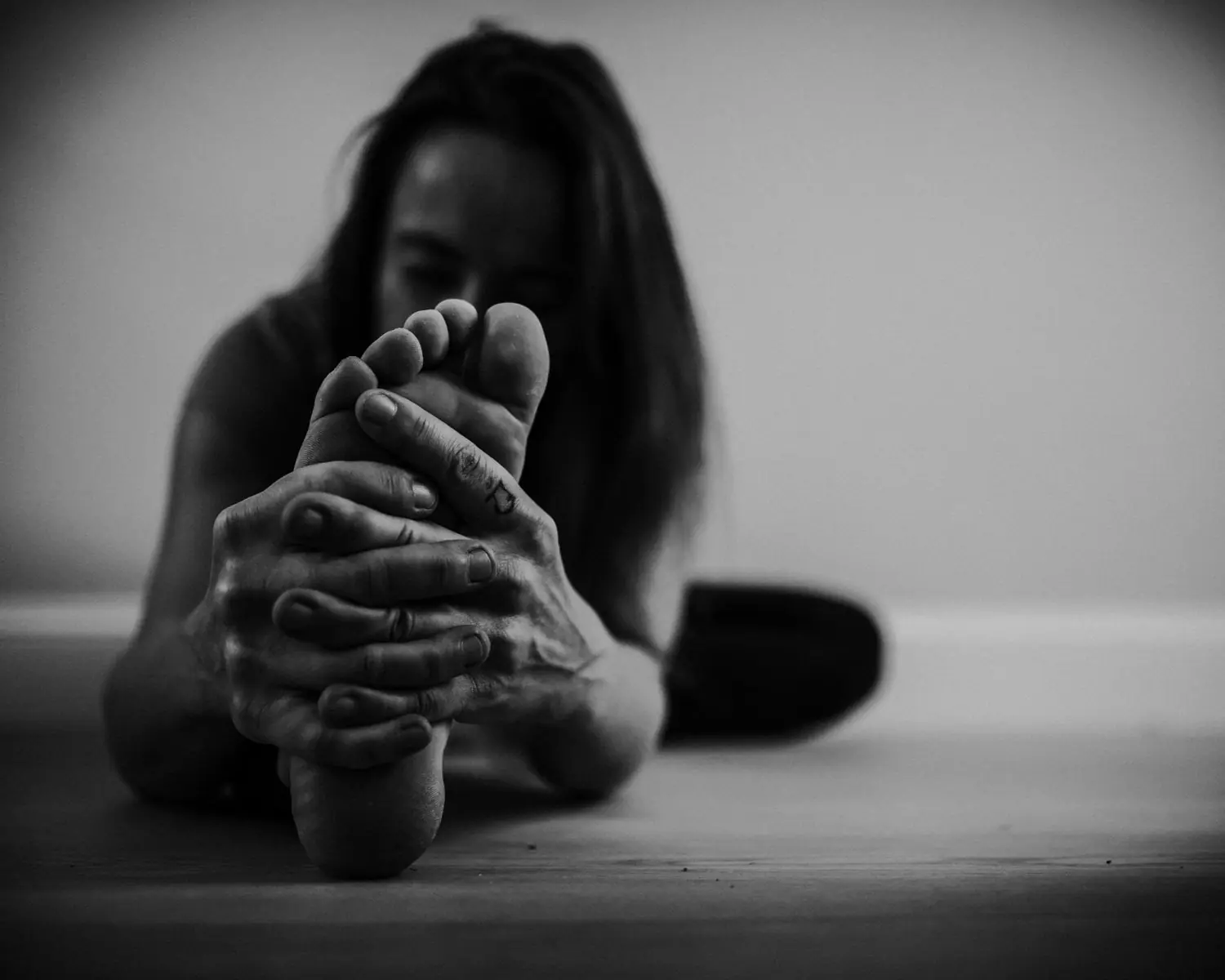
The history of yoga
The origins of yoga are shrouded in mystery, but it is believed to go back thousands of years. The earliest written evidence of the term yoga is found in the Vedas, ancient sacred Indian texts dating back to 1500–2000 BCE.
Over the centuries, yoga has developed into various forms, each with its own aims and benefits. The most widespread form of yoga today is hatha yoga, which combines physical postures, breathing and meditation.
The philosophy of yoga
The philosophy of yoga is based on the idea that mind, body and spirit are interconnected. Yoga aims to achieve the union of these three aspects, or "union" (yoga).
The philosophy of yoga rests on a few fundamental principles, which we find listed in Patañjali's Yoga Sūtra (around the 2nd–3rd century CE):
Yama: the moral principles that guide everyday behaviour
Niyama: the rules of personal conduct
Asana: the physical postures of yoga
Pranayama: yogic breathing
Pratyahara: withdrawal of the senses
Dharana: yogic concentration
Dhyana: yogic meditation
Samādhi: enlightenment, fusion with the divine
The benefits of yoga
Yoga offers numerous benefits for physical, mental and spiritual health, including:
Improved fitness
Stronger muscles and joints
Improved flexibility
Reduced stress and anxiety
Improved concentration and memory
Better quality of sleep
Reduced pain
Greater awareness
Increased compassion
Conclusion: yoga is an ancient practice that offers numerous benefits for physical, mental and spiritual health. It is a practice that can be enjoyed by people of all ages and levels of fitness.
Tips for starting your yoga practice
If you are thinking of starting to practise yoga, here are a few tips:
Start gradually: don't try to do too much straight away. Begin with a short class and gradually increase the length and intensity of your practice.
Listen to your body: stop if you feel pain. Never force a posture.
Find a qualified teacher: a good teacher can help you practise yoga safely and effectively.
With a little practice, you can learn to use yoga to improve your life in many ways.
A closer look at the history of yoga
The origins of yoga are shrouded in mystery, but they are believed to go back thousands of years. The earliest references to the term yoga are found in the Vedas, ancient Indian sacred texts dating back to 2000 BC.
Classical yoga
Over the centuries, yoga has developed into different forms, each with its own aims and benefits. The oldest form of yoga is classical yoga, which is based on the sacred texts of yoga, such as the Upanishads and the Bhagavad Gita. Classical yoga focuses on the search for union with the divine. Practitioners of classical yoga engage in a range of practices, including asana, pranayama, meditation and the study of the sacred texts.
Medieval yoga
In the Middle Ages, yoga developed into different schools of thought, each with its own principles and practices. One of the most important schools of medieval yoga is tantric yoga, which focuses on awakening spiritual energy (kundalini).
Tantric yoga has had a significant influence on the development of modern yoga. Many of the principles and practices of tantric yoga are incorporated into modern forms of yoga, such as hatha yoga and ashtanga yoga.
Modern yoga
Modern yoga began to develop in the 19th century, when yoga was introduced to the West. The first Westerners to practise yoga were often travellers and scholars who had been fascinated by Indian culture and philosophy.
During the 20th century, yoga began to spread more and more widely in the West. Today, yoga is a popular practice all over the world, practised by people of all ages and fitness levels.
The different types of yoga
There are many different forms of yoga, each with its own aims and benefits. Some of the most popular forms of yoga include:
Hatha yoga: the most widespread form of yoga. It combines physical postures, breathing and meditation.
Vinyasa yoga: a dynamic form of yoga that links physical postures to the breath.
Ashtanga yoga: a dynamic form of yoga that follows a specific sequence of postures.
Iyengar yoga: a form of yoga that focuses on precision in the postures.
Bikram yoga: a form of yoga practised in a room heated to 40 degrees.
The main yoga masters
Throughout the history of yoga, many masters have contributed to the development of this practice. Some of the main yoga masters include:
Patanjali: considered the father of classical yoga. He wrote the Yoga Sutras of Patanjali, a foundational text of yoga.
Swami Vivekananda: an important teacher of yoga and Indian philosophy. He helped to spread yoga in the West.
Krishnamacharya: a scholar and expert in the field, director of the yoga school of the royal family of Mysore
Iyengar: a yoga master who developed Iyengar yoga.
Krishna Pattabhi Jois: one of Krishnamacharya's main students. He spread Ashtanga yoga all over the world.
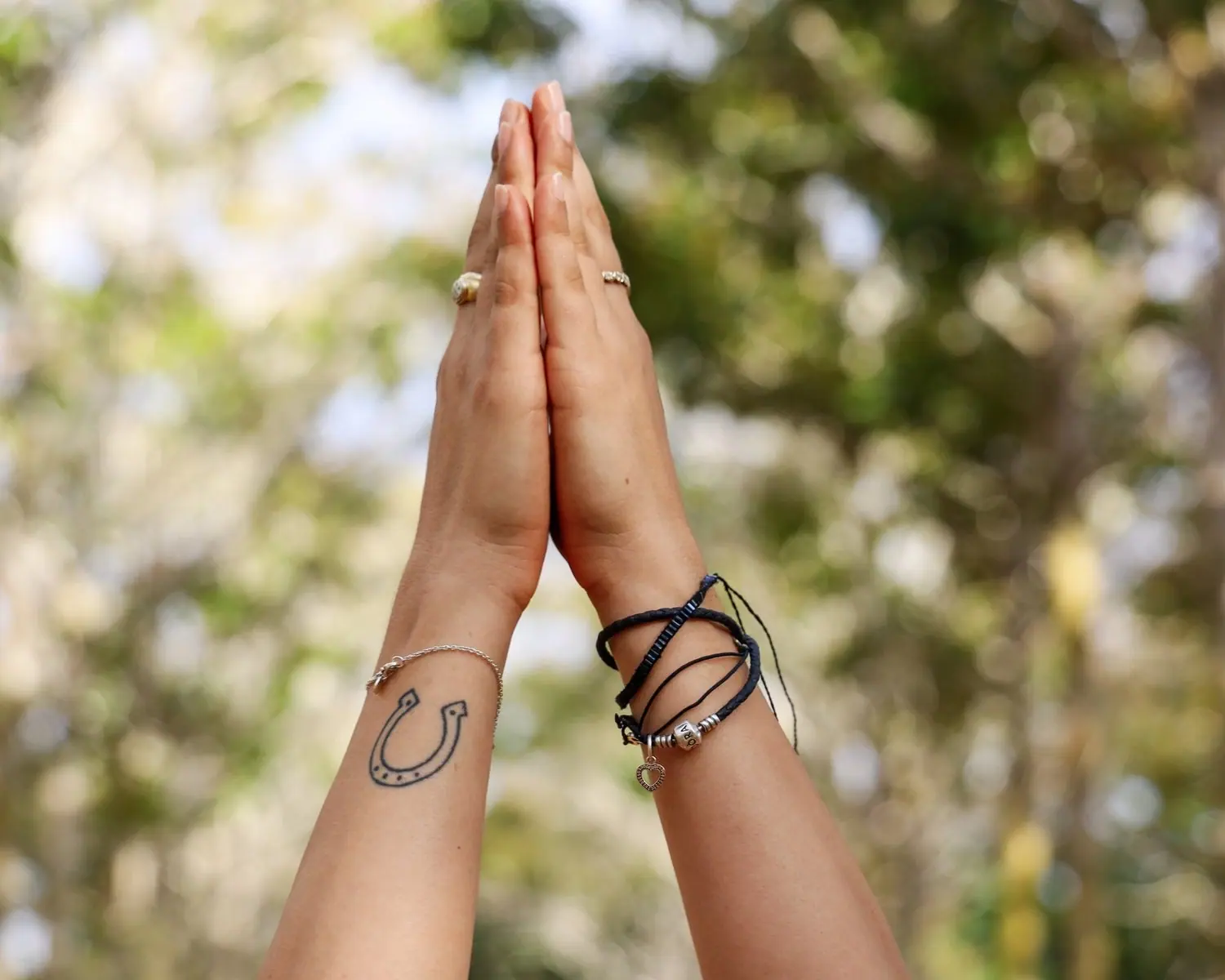
The impact of yoga on Western culture
Yoga has had a significant impact on Western culture. It has become a popular practice for health and wellbeing, and it has also influenced pop culture, fashion and art. Yoga has helped to spread a greater awareness of the benefits of physical practice, controlled breathing and meditation. It has also helped to promote values such as mindfulness, compassion and connection with the inner self.
A more detailed discussion of yoga philosophy
The philosophy of yoga is based on the idea that mind, body and spirit are interconnected. Yoga aims to achieve the union of these three aspects, or the "union" (yoga).
The philosophy of yoga rests on a few fundamental principles, which we can find listed in Patañjali's Yoga Sūtra (c. 2nd-3rd century AD):
Yama: the moral principles that guide our daily behaviour
Niyama: the rules of personal conduct
Asana: the physical postures of yoga
Pranayama: yogic breathing
Pratyahara: withdrawal of the senses
Dharana: yogic concentration
Dhyana: yogic meditation
Samādhi: enlightenment, union with the divine
Yama
The yamas are moral principles that guide our daily behaviour. The yamas are:
Ahimsa: non-violence
Satya: truth
Asteya: non-stealing
Brahmacharya: chastity
Aparigraha: non-hoarding
The yamas are important in yoga because they help to create an inner environment of peace and tranquillity. When we practise the yamas, we learn to control our thoughts, words and actions. This helps us to reduce stress and anxiety, and to improve our relationships with others.
Niyama
The niyamas are rules of personal conduct that can help us to live a healthier and happier life. The niyamas are:
Saucha: purity
Santosha: contentment
Tapas: austerity
Svadhyaya: self-study
Ishvara pranidhana: devotion to the divine
The niyamas are important in yoga because they help us to develop positive qualities such as purity, contentment and devotion. When we practise the niyamas, we learn to take care of ourselves and to cultivate our spirituality.
Asana
Asanas are the physical postures of yoga. They can be static, dynamic or a combination of the two. Asanas are important in yoga because they help to improve physical and mental health.
Static asanas help to strengthen the muscles, improve flexibility and relieve stress. Dynamic asanas help to improve circulation and breathing. Combined asanas bring together the benefits of static and dynamic asanas.
Pranayama
Pranayama refers to breathing techniques. Pranayama is important in yoga because it helps to control the breath, which is an important part of our vital energy (prana).
Pranayama can be practised in different ways, including deep breathing, controlled breathing and mindful breathing. Pranayama can help to reduce stress and anxiety, improve concentration and memory, and increase energy.
Dhyana
Dhyana is yogic meditation. It is important in yoga because it helps to calm the mind and to develop awareness.
Dhyana can be practised in different ways, including focused meditation, mindfulness meditation and compassion meditation. Dhyana can help to reduce stress and anxiety, improve concentration and memory, and increase compassion.
Applying the philosophy of yoga to daily life
The principles of yoga philosophy can be applied to daily life in many ways. For example, we can practise the yamas by choosing kind and compassionate words and actions. We can practise the niyamas by engaging in activities that make us happy and fulfilled. We can practise asana by doing regular physical exercise. We can practise pranayama by breathing deeply and consciously. And we can practise dhyana by meditating regularly.
When we practise the philosophy of yoga in our daily life, we can create a healthier, happier and more meaningful existence.
A fuller description of the benefits of yoga
Yoga offers numerous benefits for physical, mental and spiritual health.
Physical benefits
The physical benefits of yoga include:
Improved physical fitness
Stronger muscles and joints
Improved flexibility
Reduced pain
Improved posture
Improved digestion
Reduced risk of chronic illness
Mental benefits
The mental benefits of yoga include:
Reduced stress and anxiety
Improved concentration and memory
Better sleep
Increased energy
Greater awareness
Greater compassion
Spiritual benefits
The spiritual benefits of yoga include:
A deeper connection with the inner self
Greater inner peace and tranquillity
The development of a more positive outlook on life
Scientific research on the benefits of yoga
Scientific research has supported many of the benefits of yoga. For example, studies have shown that yoga can help to reduce stress, anxiety and pain. It can also help to improve concentration, memory and sleep.
Testimonials from people who have practised yoga
Many people who have practised yoga have spoken about the benefits of this practice. For example, some people have reported feeling less stressed and anxious after starting to practise yoga. Others have reported improved concentration and memory.
Applying the benefits of yoga in everyday life
The benefits of yoga can be applied to everyday life in many ways. For example, reducing stress and anxiety can help us to cope better with the challenges of daily life. Improved concentration and memory can help us to be more productive at work or at school. And greater awareness can help us to make better decisions and to live a fuller life.
Yoga is an ancient practice that offers numerous benefits for physical, mental and spiritual health. It is a practice that can be enjoyed by people of all ages and levels of fitness.
c.s.