
“Applying the philosophy of yoga to everyday life” by S. N.
Applying the philosophy of yoga to everyday life
The philosophy of yoga is based on the idea that mind, body and spirit are interconnected. Yoga aims to achieve the union of these three aspects, or "union" (yoga).
The principles of yoga philosophy can be applied to everyday life in many ways. For example, we can practise the yamas by choosing kind and compassionate words and actions. We can practise the niyamas by engaging in activities that make us happy and fulfilled. We can practise the asanas by treating them as physical exercises to be done regularly. We can practise pranayama by getting into the habit of breathing deeply and consciously, as well as through proper breathing exercises. And we can practise dharana by regularly doing concentration exercises in order to reach dhyana, or meditation.
Here are some specific examples of how to apply the philosophy of yoga to everyday
life:

Yama
• Ahimsa: we can practise ahimsa by avoiding saying or doing things that might hurt others, both physically and emotionally. We can also practise ahimsa towards ourselves, accepting ourselves as we are and treating ourselves with kindness.
• Satya: we can practise the path of truth by being sincere even when it is difficult. We can also practise sincerity with ourselves, being honest about our thoughts, feelings and needs.
• Asteya: we can practise asteya by avoiding taking something that does not belong to us. We can also practise asteya with ourselves, avoiding exploiting or underestimating ourselves.
• Brahmacharya: we can practise brahmacharya by avoiding the abuse of sexuality. We can also practise brahmacharya with ourselves, avoiding wasting our sexual energy.
• Aparigraha: we can practise aparigraha by avoiding accumulating things we don't need. We can also practise aparigraha with ourselves, avoiding clinging to negative thoughts, feelings and memories.
Niyama
• Saucha: we can practise saucha by keeping our body and our surroundings clean. We can also practise saucha with our mind, avoiding letting negative or toxic thoughts build up.
• Santosha: we can practise santosha by accepting things as they are, without complaining or wishing for something different. We can also practise santosha with ourselves, accepting ourselves as we are, with our strengths and flaws.
• Tapas: we can practise tapas by challenging ourselves to do something that frightens us or that is difficult for us. We can also practise tapas with ourselves, keeping our desires and emotions in check.
• Svadhyaya: we can practise svadhyaya by studying ourselves, our thoughts, feelings and needs. We can also practise svadhyaya with our mind, meditating and cultivating awareness.
• Ishvara pranidhana: we can practise ishvara pranidhana by cultivating devotion to something greater than ourselves. We can also practise ishvara pranidhana with ourselves, recognising our connection with something greater.
Asana
• We can practise asana regularly to improve our physical fitness, flexibility and general health.
• We can practise asana with awareness, paying attention to our body and our mind.
• We can practise asana with compassion, accepting our body as it is.
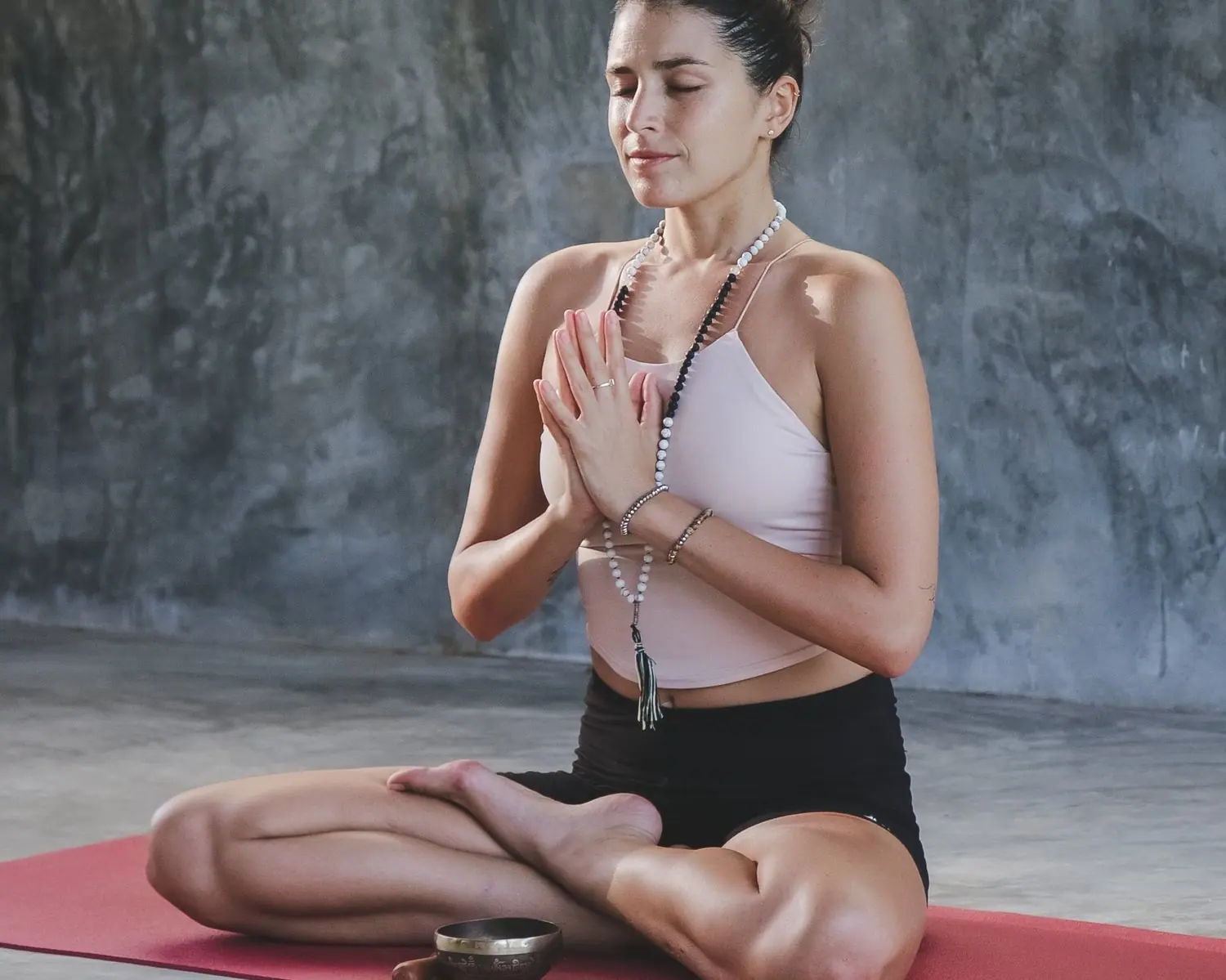
Pranayama
• We can practise pranayama to calm the mind, improve concentration and reduce stress.
• We can practise pranayama with awareness, paying attention to our breath.
• We can practise pranayama with compassion, accepting our breath as it is.
Dharana and Dhyana
• We can practise meditation techniques to calm the mind, improve concentration and develop awareness.
• We can practise meditation techniques with awareness, paying attention to our breath and our thoughts.
• We can practise meditation techniques with compassion, accepting our mind as it is.
Regular practice of yoga philosophy can help us lead a healthier,
happier and more meaningful life.
s.n.