
“Additional tips for starting to practise yoga” by C. S.
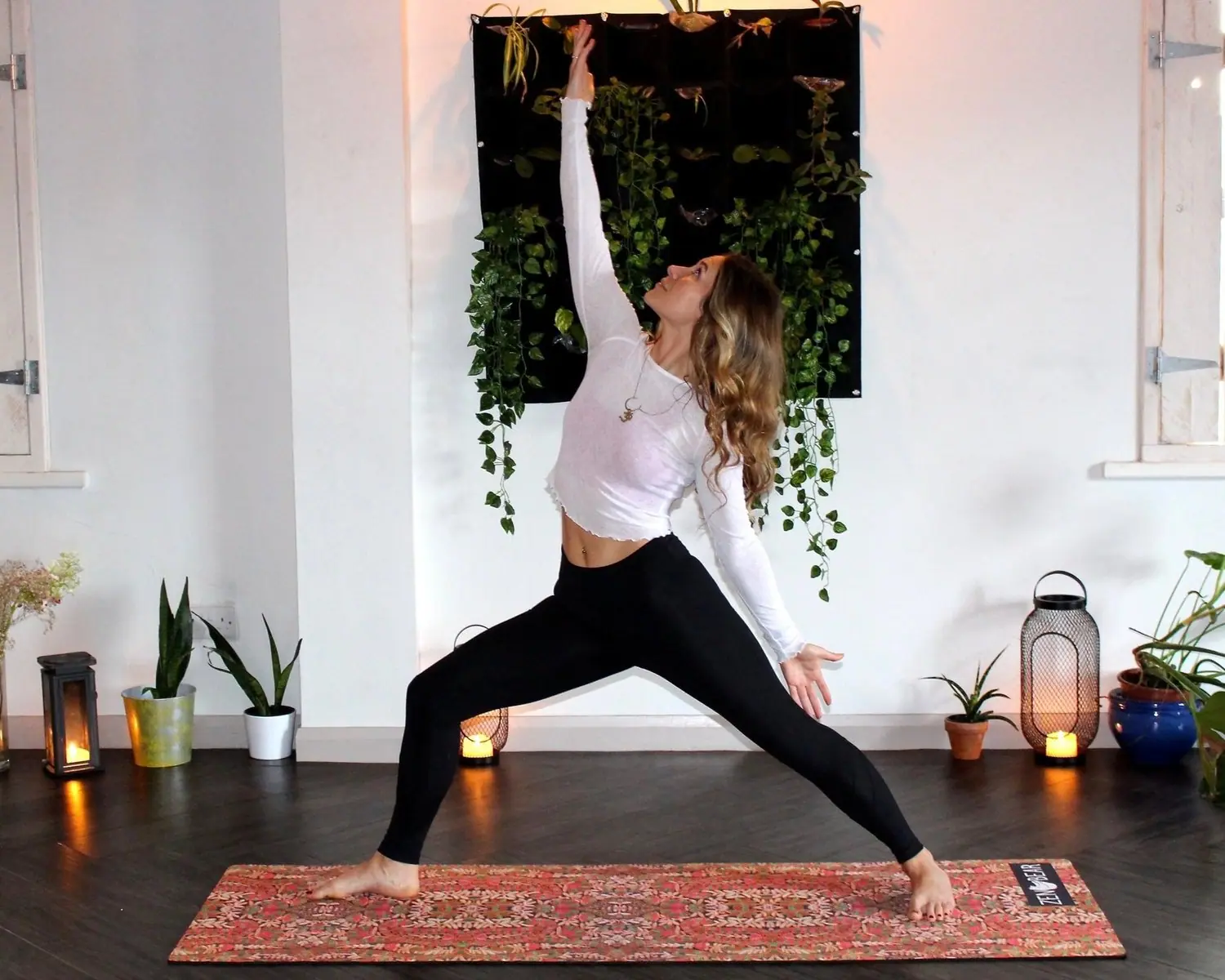
Additional tips for starting to practise yoga
Here are some additional tips for starting to practise yoga:
Start gradually: don't try to do too much straight away. Begin with a short class and gradually increase the length and intensity of your practice.
Listen to your body: stop if you feel pain. Never force a posture.
Find a qualified teacher: a good teacher can help you to practise yoga safely and effectively.
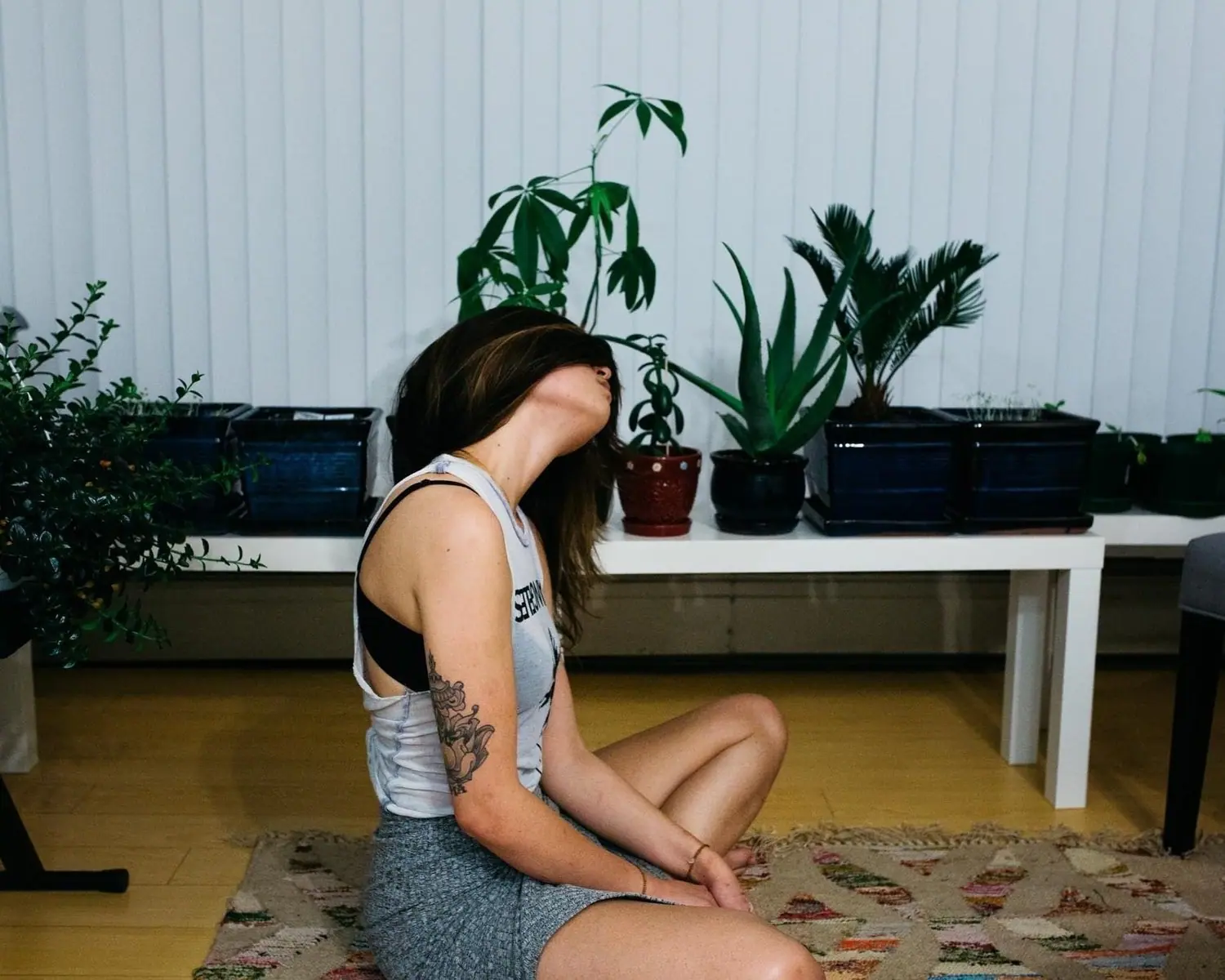
Here are some specific tips for finding a yoga class:
Ask friends or family if they know a qualified yoga teacher.
Check with your local gym or wellness centre to see whether they offer yoga classes.
Do an online search to find yoga classes in your area.
When choosing a yoga class, consider the following factors:
The teacher's level of experience.
The style of yoga being taught.
The price of the classes.
Here are some tips for preparing for a yoga class:
Wear comfortable, breathable clothing.
Bring a blanket or a towel to sit or lie on.
Bring a bottle of water to stay hydrated.
Here are some tips for practising yoga safely:
Warm up before you begin your practice.
Pay attention to the postures and don't force them.
Listen to your body and stop if you feel pain.
Stay hydrated before and after your practice.
Practise Asana and Pranayama on an empty stomach.
Here are some tips for getting the most out of your yoga practice:
Practise regularly.
Focus on your breath.
Be aware of your body and your thoughts.
Let go of your expectations.
Yoga is a practice that can be adapted to your needs and your level of fitness. With a little practice, you can begin to experience the benefits of this ancient discipline.
The different types of yoga that have developed over the centuries
Over the centuries, yoga has developed into many different forms, each with its own aims and benefits. Here are some of the most popular types of yoga:
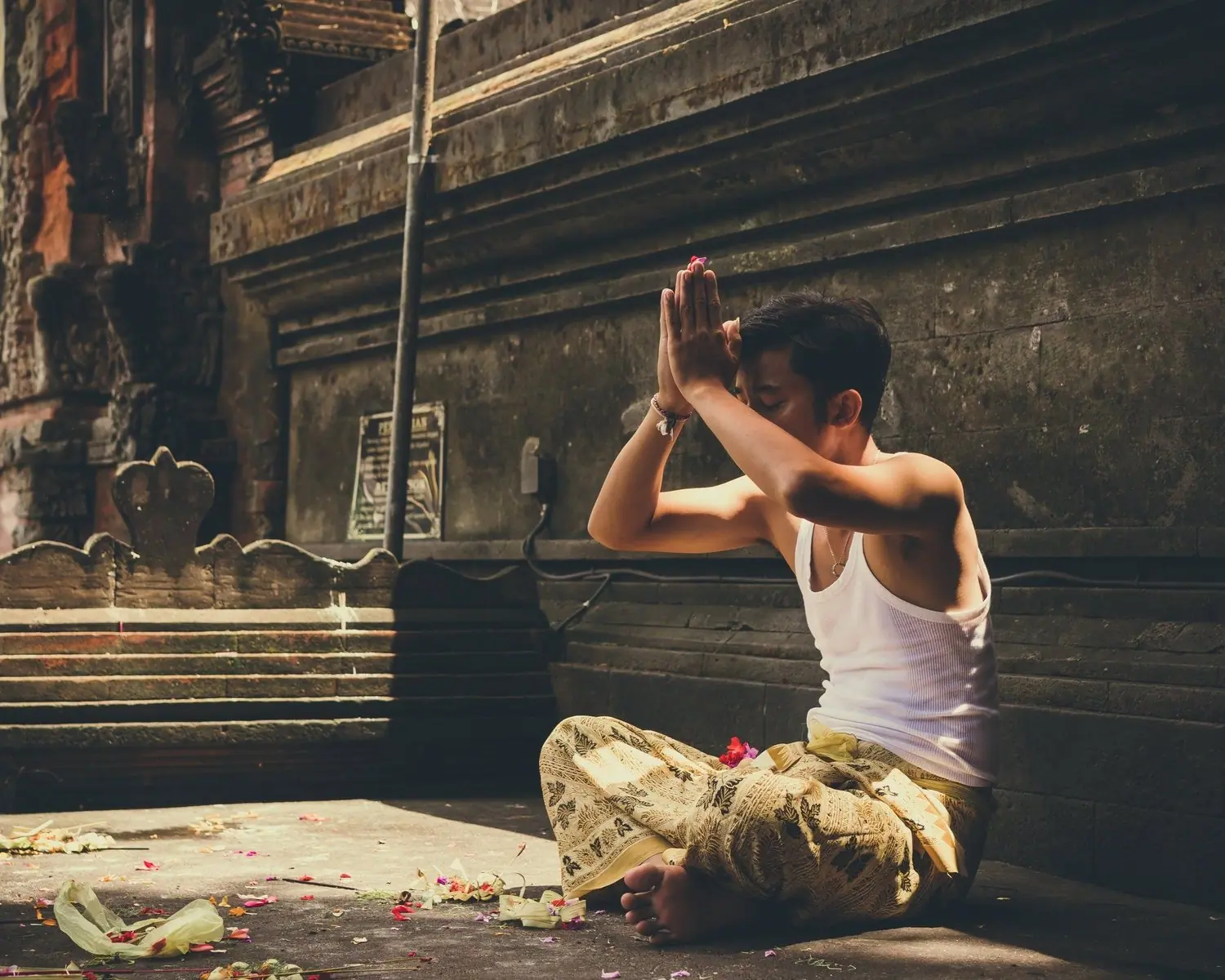
Hatha yoga
Hatha yoga is the most widespread form of yoga. It combines physical postures, breathing and meditation. The physical postures (asana) are designed to improve flexibility, strength and overall health. Breathing (pranayama) helps to calm the mind and improve concentration. Meditation (dhyana) helps to develop awareness and focus.
Vinyasa yoga
Vinyasa yoga is a dynamic form of yoga that links physical postures with the breath. The postures are performed in sequence, in harmony with the breath. This helps to create a smooth, harmonious flow in your practice.
Ashtanga yoga
Ashtanga yoga is a dynamic form of yoga that follows a specific sequence of postures. The sequence is designed to improve strength, flexibility and concentration. Ashtanga yoga is known as a demanding practice, but it can be very rewarding.
Iyengar yoga
Iyengar yoga is a form of yoga that focuses on the precision of the postures. The postures are performed with the help of props, such as belts, bolsters and blocks. This helps students to reach the postures safely and effectively. Iyengar yoga is a good choice for people who are new to yoga or who need extra support.
Bikram yoga
Bikram yoga is a form of yoga practised in a room heated to 40 degrees. The high temperature helps you to sweat and to eliminate toxins from the body. Bikram yoga is an intense practice, but it can be very effective for weight loss and for improving flexibility.
Other types of yoga
Besides these popular styles, there are many other types of yoga available. Some examples include:
Yin yoga: focuses on postures held for a long time to improve the flexibility and strength of the connective tissues.
Restorative yoga: focuses on relaxing postures to help reduce stress and anxiety.
Prenatal yoga: designed to help pregnant women prepare for childbirth and motherhood.
Yoga for children: designed to teach children the principles of yoga in a fun and engaging way.
How to choose the right style of yoga
When choosing the right style of yoga for you, consider the following factors:
Your fitness level: if you are new to yoga, it is best to start with a gentler style, such as hatha yoga or yin yoga. If you are more experienced, you can try a more dynamic style, such as vinyasa yoga or ashtanga yoga.
Your goals: if you are looking to improve your fitness, a dynamic type of yoga can be a good choice. If you are looking to reduce stress, a relaxing type of yoga may be more suitable.
Your personality: some types of yoga suit introverted people better, while others suit extroverted people. Choose a style that makes you feel at ease and that you enjoy.
The best thing is to try different types of yoga to see which one you like most. Many studios offer free trial classes, so you can try before you commit.
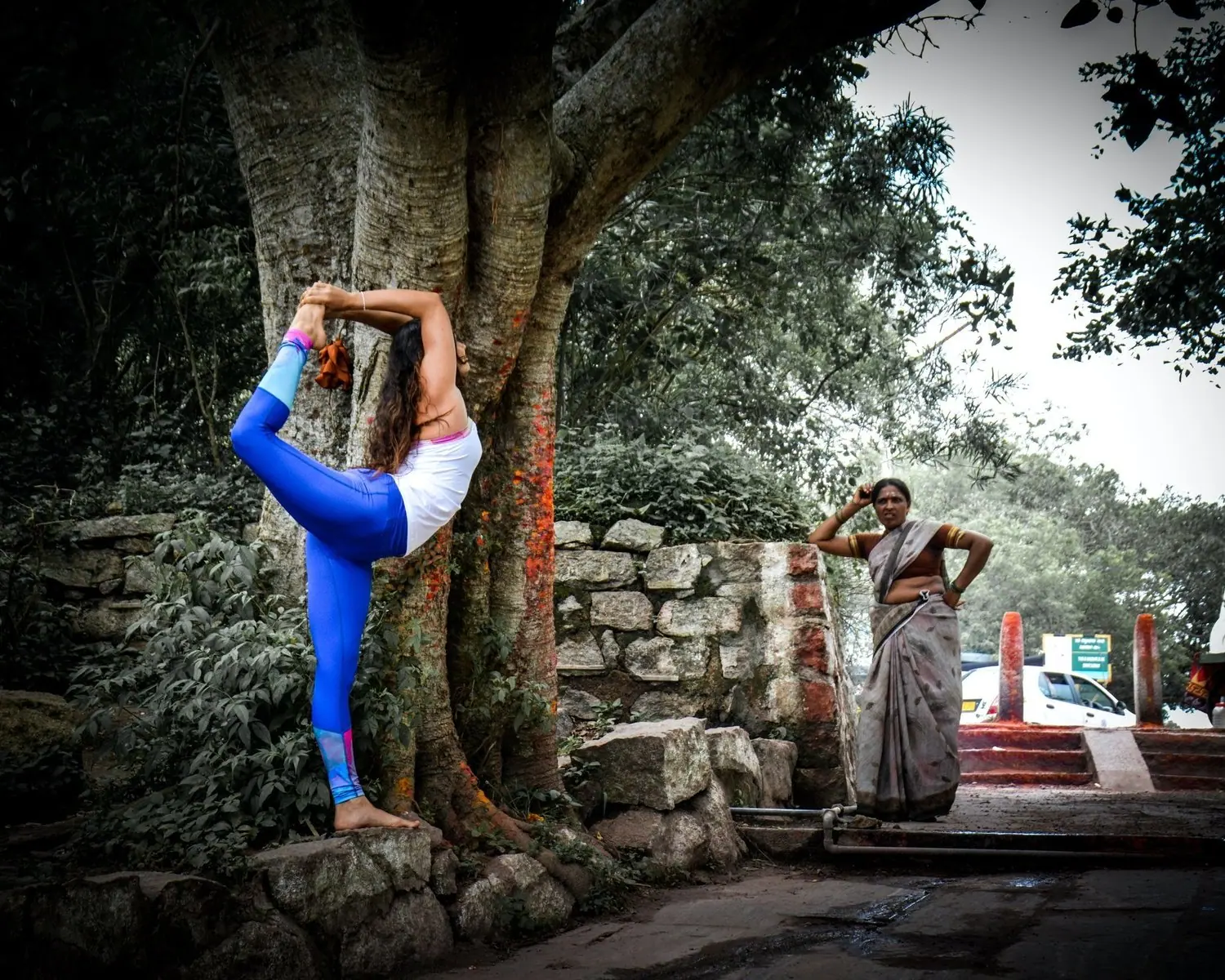
The main yoga masters
Throughout history, many yoga masters have contributed to the development of this practice. Some of the main yoga masters include:
Patanjali
Patanjali lived in the 2nd century BC and is considered the father of classical yoga. He wrote the Yoga Sutras, a foundational yoga text that describes the principles and practices of yoga. Patanjali's Sutras are divided into four parts:
Samadhi Pada: describes the essential nature of yoga and offers a detailed explanation of it.
Sadhana Pada: deals with the practice of yoga and offers a detailed explanation of its benefits.
Vibhuti Pada: describes the special powers that can be developed through the practice of yoga.
Kaivalya Pada: describes the state of union with the divine.
Swami Vivekananda
Swami Vivekananda lived in the 19th century and was an important teacher of yoga and Indian philosophy. He helped to spread yoga in the West. Vivekananda was born into a Brahmin family in Kolkata, India. He studied philosophy and religion at the University of Calcutta and belongs to the Advaita Vedanta school of philosophy. In 1893, he represented India at the Parliament of the World's Religions in Chicago with a famous speech that drew the attention of the Western world to yoga and Indian philosophy.
Tirumalai Krishnamacharya
Tirumalai Krishnamacharya (19 November 1888 – 28 February 1989) was an Indian yoga teacher, healer and Ayurvedic scholar, and is now considered one of the most important figures in modern yoga. He was the guru of B. K. S. Iyengar, Pattabhi Jois and his own son T. K. V. Desikachar. In 1931 he was invited to teach at the Sanskrit College in Mysore, and in 1933 the Mahārāja of Mysore granted him the use of a wing of the royal palace to open a yoga school, attended by the young nobles and Brahmins of the court.
B. K. S. Iyengar
Bellur Krishnamachar Sundara Raja Iyengar was born in Bellur, in southern India, on 14 December 1918. His father, Sri Krishnamachar, was a teacher at the local school; Iyengar's family was large and poor, and his childhood was marked by many illnesses. During the 1940s his fame as a teacher and therapist grew considerably. Iyengar yoga focuses on the precision of the physical postures. Iyengar believed that the physical postures should be performed safely and effectively. He developed a range of props, such as belts, bolsters and blocks, to help students achieve the postures.
Krishna Pattabhi Jois
Krishna Pattabhi Jois was one of the main students of Krishnamacharya, the teacher of Iyengar. He spread Ashtanga yoga around the world. He was born in a village in Karnataka, India, and began practising yoga at the age of 13. He studied with Krishnamacharya for 14 years. In 1948, he opened his first yoga studio in Pune, India. Jois travelled all over the world to teach Ashtanga yoga. He helped make Ashtanga yoga one of the most popular forms of yoga in the world.
These are just some of the main yoga masters who have contributed to the development of this practice. There are many others who have helped to spread yoga around the world.
The impact of yoga on Western culture
Yoga has had a significant impact on Western culture. It has become a popular practice for health and wellbeing, and has also influenced pop culture, fashion and art.
Influence on health and wellbeing
Yoga is a practice that offers numerous benefits for physical, mental and spiritual health. It can be practised by people of all ages and fitness levels.
Influence on pop culture
Yoga has become a popular element of pop culture. It is often depicted in films, television programmes and music.
Influence on fashion
Yoga has influenced fashion, with the introduction of clothing and accessories specifically designed for yoga practice.
Influence on art
Yoga has influenced art, with the creation of artworks that depict the practice of yoga. Yoga is an ancient practice that has had a significant impact on Western culture. It offers numerous benefits for health and wellbeing, and continues to grow in popularity.
Applying the philosophy of yoga to everyday life
The philosophy of yoga is based on the idea that mind, body and spirit are interconnected. Yoga aims to achieve the union of these three aspects, or "union" (yoga).
The principles of yoga philosophy can be applied to daily life in many ways. For example, we can practise the yamas by choosing kind and compassionate words and actions. We can practise the niyamas by engaging in activities that make us happy and fulfilled. We can practise asana by treating it as physical exercise to be done regularly. We can practise pranayama by getting into the habit of breathing deeply and consciously, as well as through proper breathing exercises. And we can practise dharana by regularly doing concentration exercises, in order to reach dhyana, that is, meditation.
Here are some specific examples of how to apply the philosophy of yoga to everyday life:
Yama:
Ahimsa: we can practise ahimsa by avoiding saying or doing things that could hurt others, whether physically or emotionally. We can also practise ahimsa towards ourselves, accepting ourselves for who we are and treating ourselves with kindness.
Satya: we can practise the path of truth by being sincere, even when it is difficult. We can also practise truth with ourselves, being honest with ourselves about our thoughts, feelings and needs.
Asteya: we can practise asteya by avoiding taking something that does not belong to us. We can also practise asteya with ourselves, avoiding exploiting or underestimating ourselves.
Brahmacharya: we can practise brahmacharya by avoiding the abuse of sexuality. We can also practise brahmacharya with ourselves, avoiding wasting our sexual energy.
Aparigraha: we can practise aparigraha by avoiding accumulating things we do not need. We can also practise aparigraha with ourselves, avoiding clinging to negative thoughts, feelings and memories.
Niyama:
Saucha: we can practise saucha by keeping our body and our surroundings clean. We can also practise saucha with our mind, avoiding letting negative or toxic thoughts build up.
Santosha: we can practise santosha by accepting things as they are, without complaining or wishing for something different. We can also practise santosha with ourselves, accepting ourselves for who we are, with our strengths and flaws.
Tapas: we can practise tapas by challenging ourselves to do something that frightens us or that is difficult for us. We can also practise tapas with ourselves, keeping our desires and our emotions in check.
Svadhyaya: we can practise svadhyaya by studying ourselves, our thoughts, feelings and needs. We can also practise svadhyaya with our mind, meditating and cultivating awareness.
Ishvara pranidhana: we can practise ishvara pranidhana by cultivating devotion to something greater than ourselves. We can also practise ishvara pranidhana with ourselves, recognising our connection with something greater.
Asana:
We can practise asana regularly to improve our fitness, flexibility and general health.
We can practise asana with awareness, paying attention to our body and our mind.
We can practise asana with compassion, accepting our body for what it is.
Pranayama:
We can practise pranayama to calm the mind, improve concentration and reduce stress.
We can practise pranayama with awareness, paying attention to our breath.
We can practise pranayama with compassion, accepting our breath for what it is.
Dharana and Dhyana:
We can practise meditation techniques to calm the mind, improve concentration and develop awareness.
We can practise meditation with awareness, paying attention to our breath and our thoughts.
We can practise meditation with compassion, accepting our mind for what it is.
Regular practice of yoga philosophy can help us to live a healthier, happier and more meaningful life.

Testimonials from people who have practised yoga
Testimonial from someone who practised yoga to reduce stress
"I started practising yoga to reduce stress. I have a very demanding job and I often felt overwhelmed and anxious. I began with one yoga class a week and noticed a difference straight away. I felt more relaxed and balanced. I started practising more regularly and now I practise at least three times a week. It has helped me to reduce stress and anxiety, to improve my sleep and concentration, and to feel happier and more positive. Yoga is a practice that has changed my life."
Testimonial from someone who practised yoga to improve flexibility
"I started practising yoga to improve my flexibility. I have always been a very stiff person and I have always struggled with stretching. I began with one yoga class a week and noticed a difference straight away. The yoga postures helped me to improve my flexibility and to reach parts of my body that I had never reached before. Now I am much more flexible and I can stretch without effort. Yoga is a practice that has helped me to improve my health and my physical fitness."
Testimonial from someone who practised yoga to reduce pain
"I started practising yoga to reduce chronic back pain. I tried many different treatments, but none of them seemed to work. I began with one yoga class a week and noticed a difference straight away. The yoga postures helped me to strengthen my back muscles and to improve my posture. Now the back pain is much less intense and I can carry out my daily activities without any problems. Yoga is a practice that has helped me to improve my quality of life."
Testimonial from someone who practised yoga to improve awareness
"I started practising yoga to improve my awareness. I have always been a very absent-minded person and I have always had difficulty concentrating. I began with one yoga class a week and noticed a difference straight away. The practice of yoga has helped me to calm my mind and to focus on the present. Now I am more present and more aware of my body and my thoughts. Yoga is a practice that has helped me to improve my everyday life."
These are just a few of the testimonials from people who have practised yoga. Yoga is a practice that can offer a range of benefits for physical and mental health.
c.s.